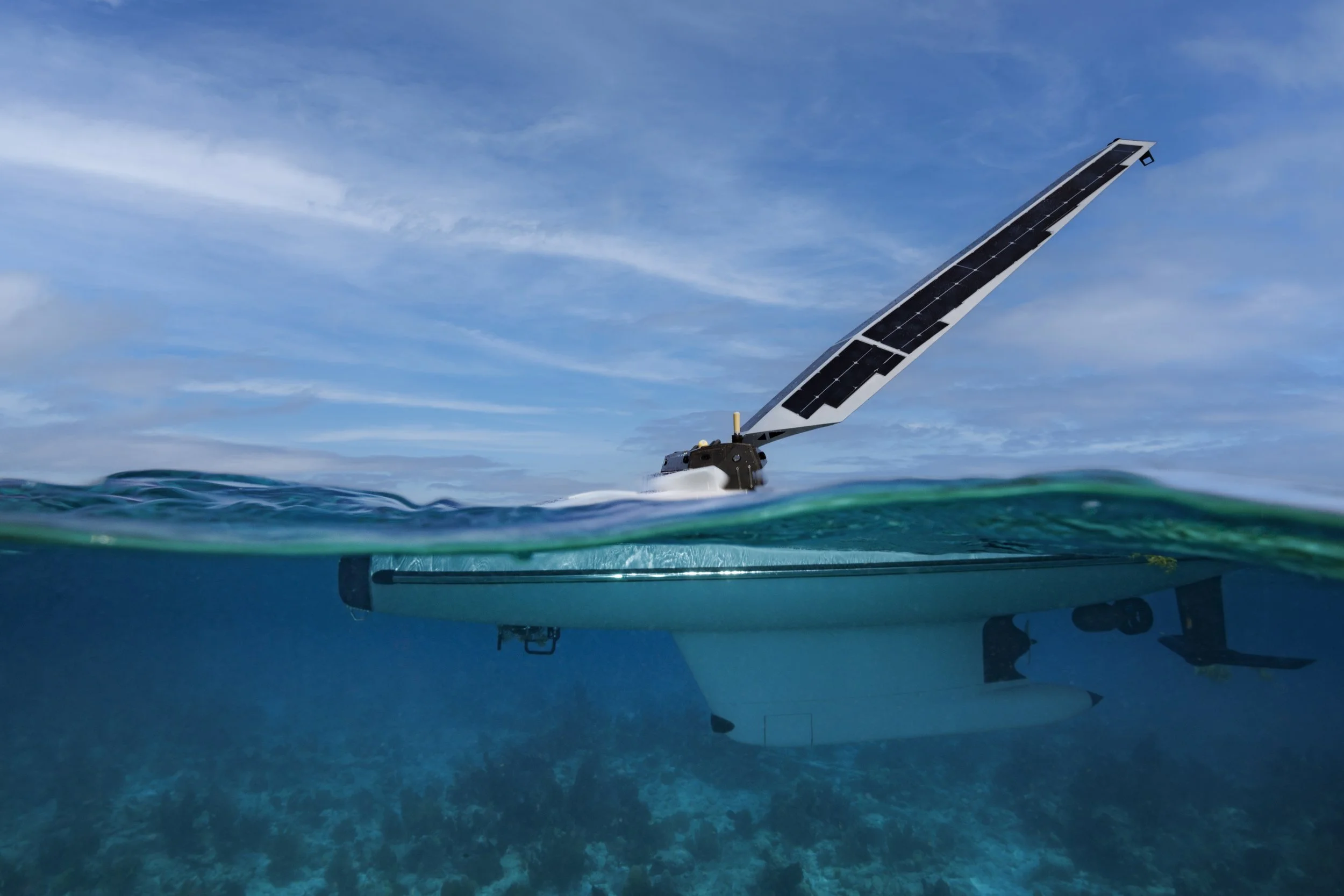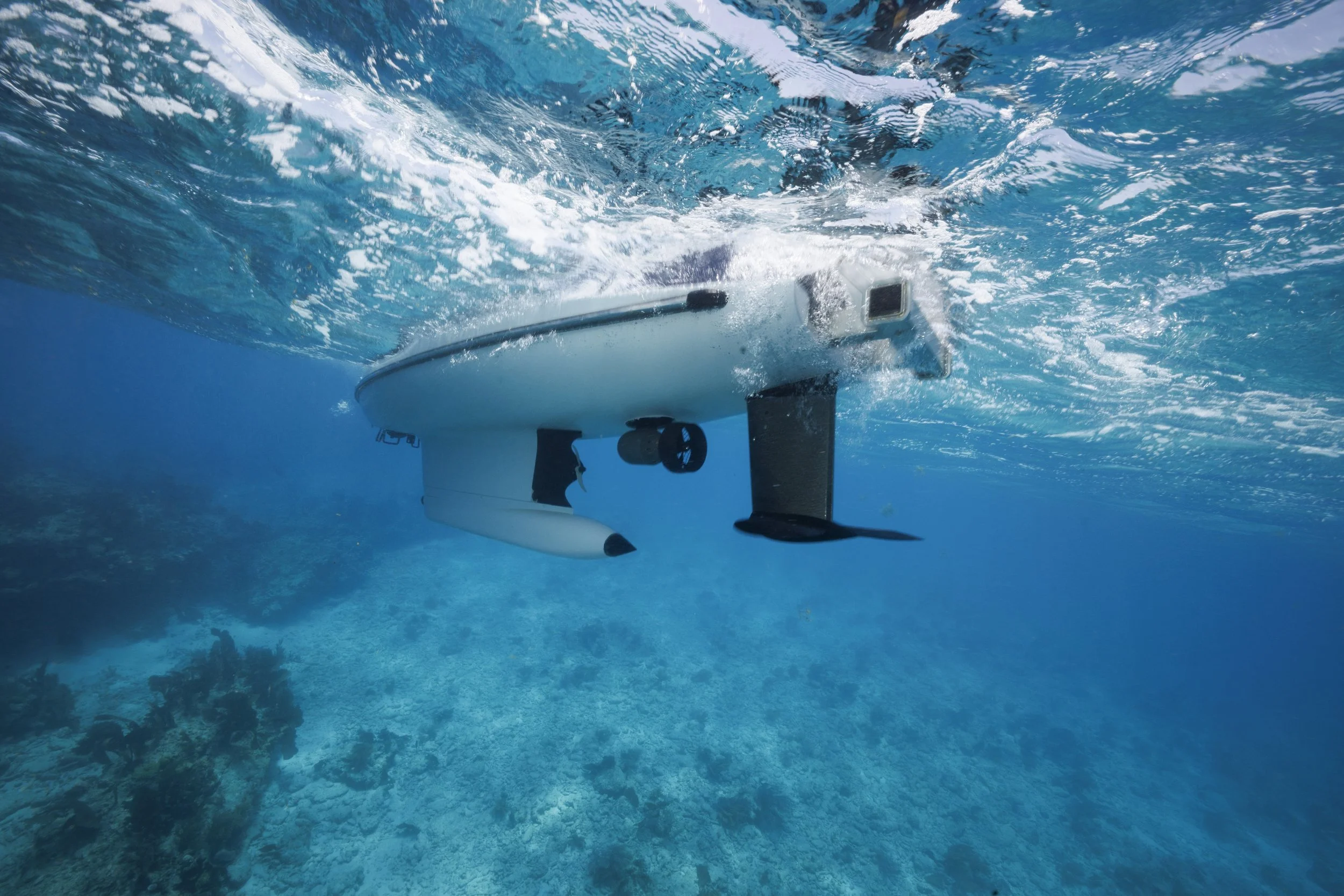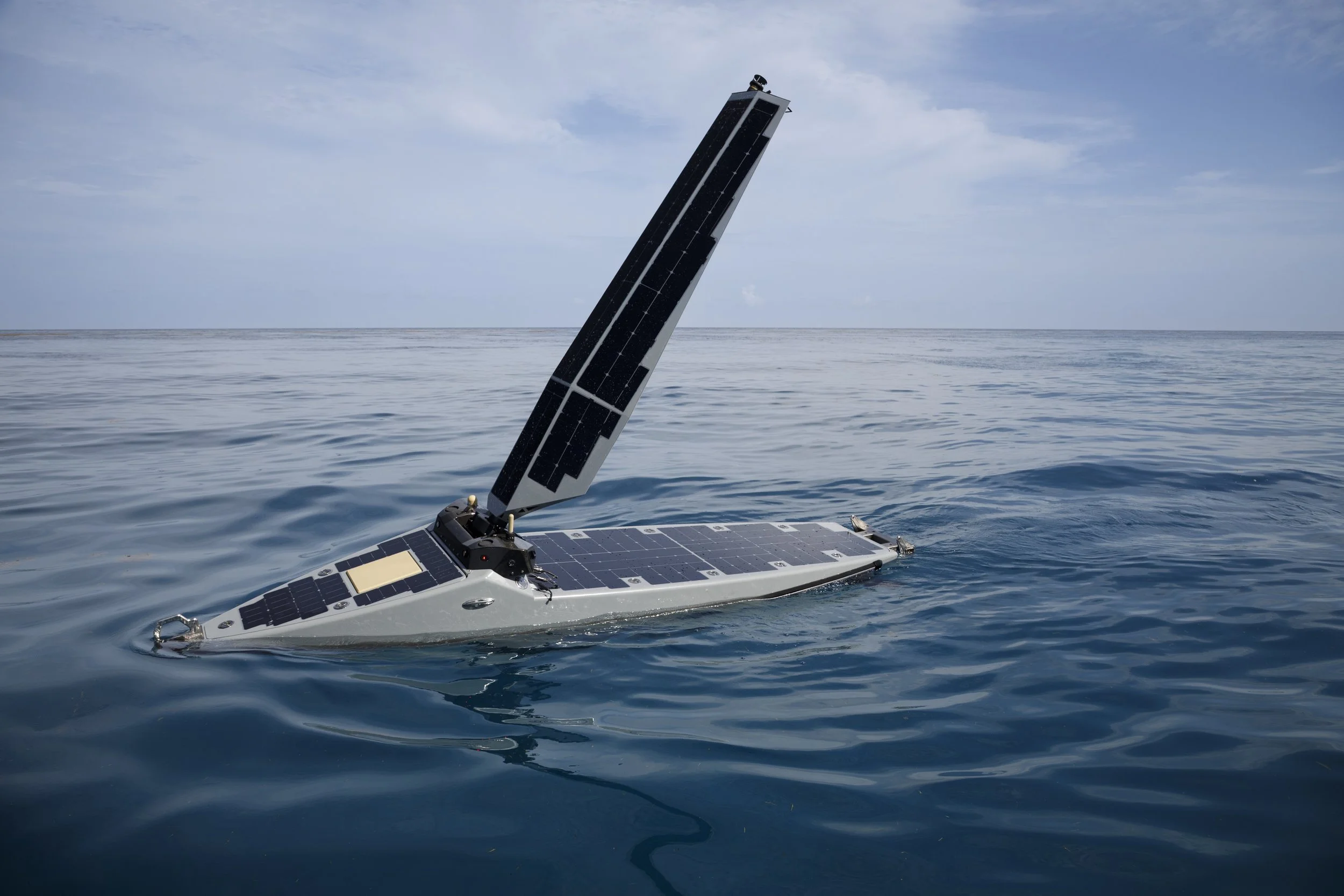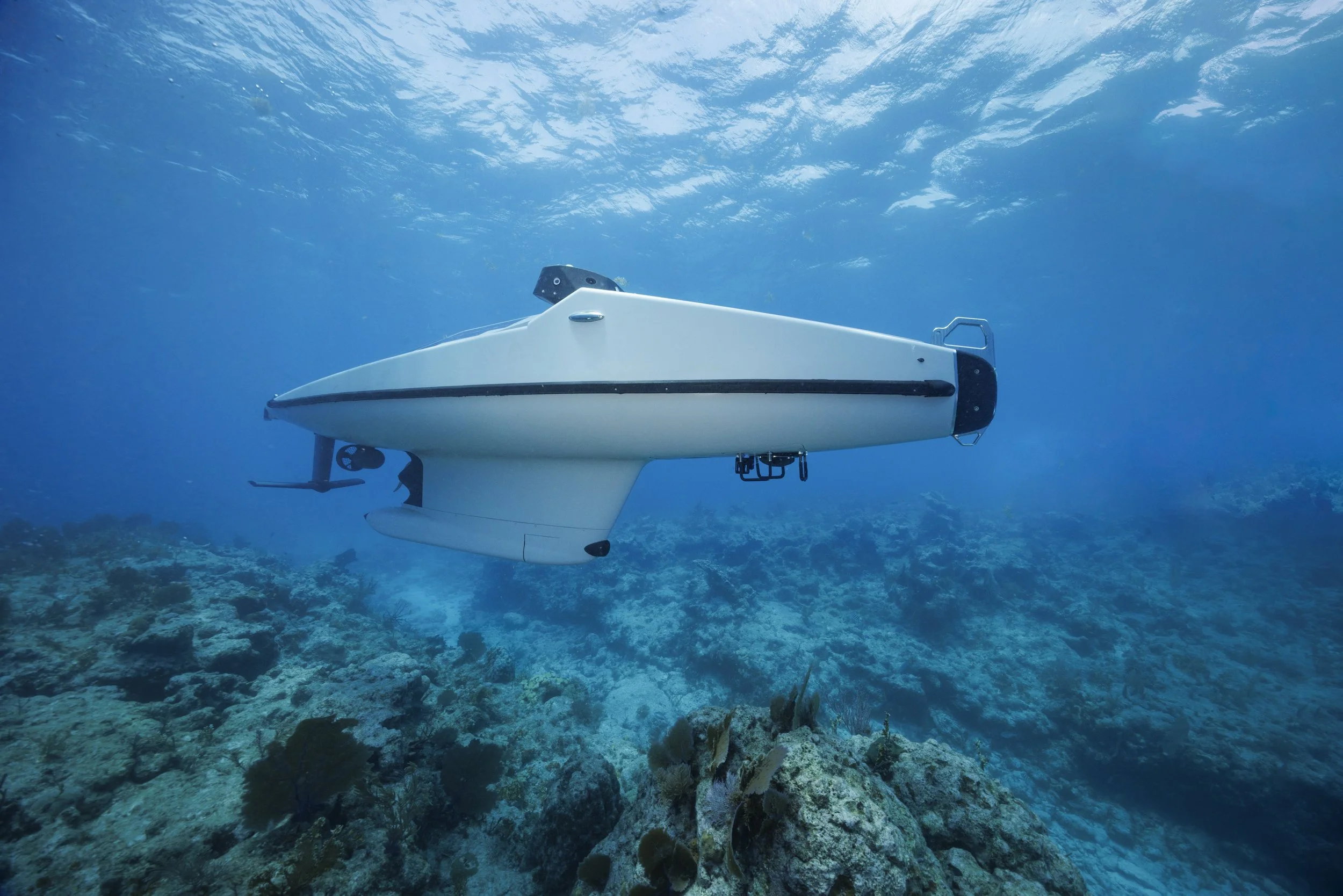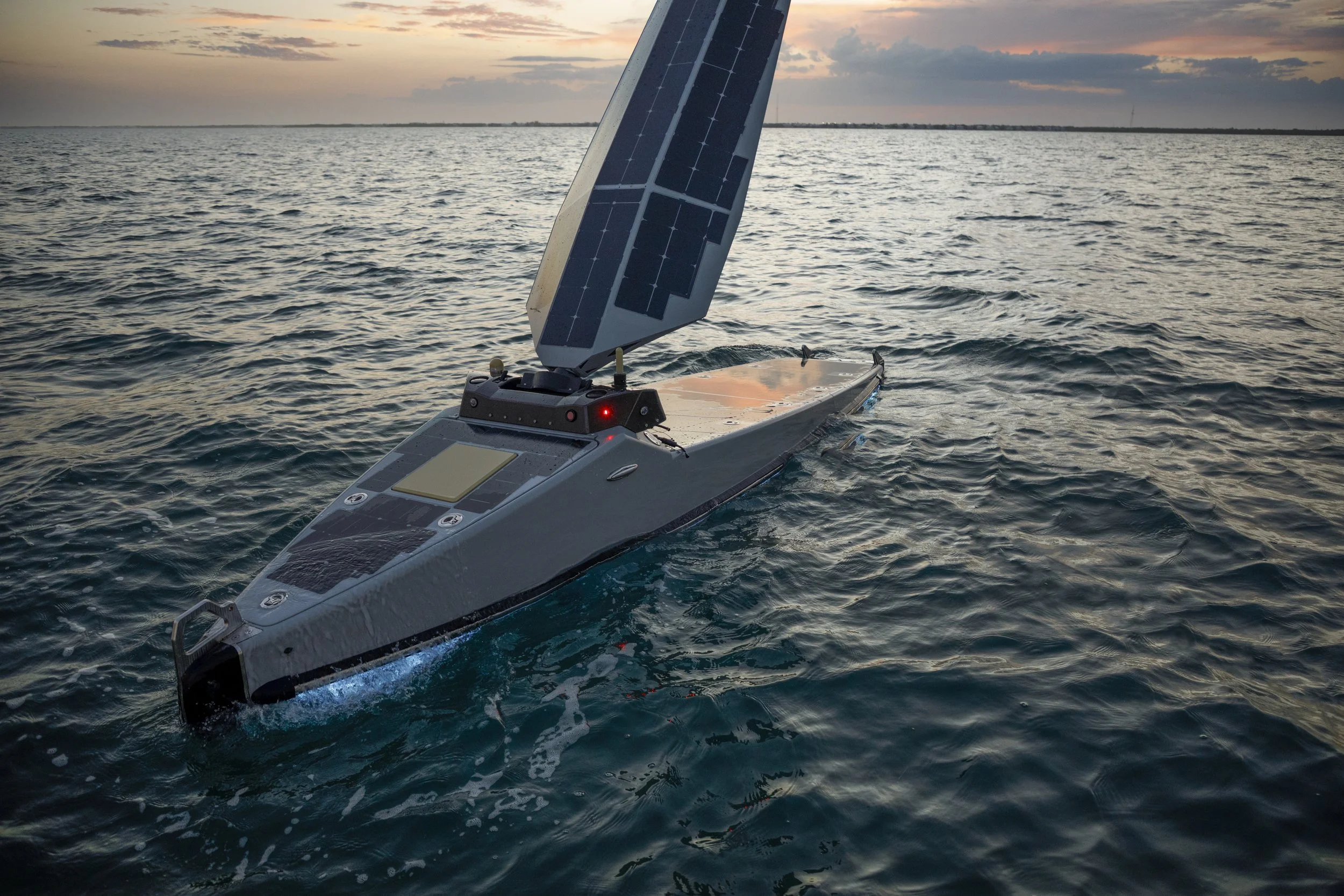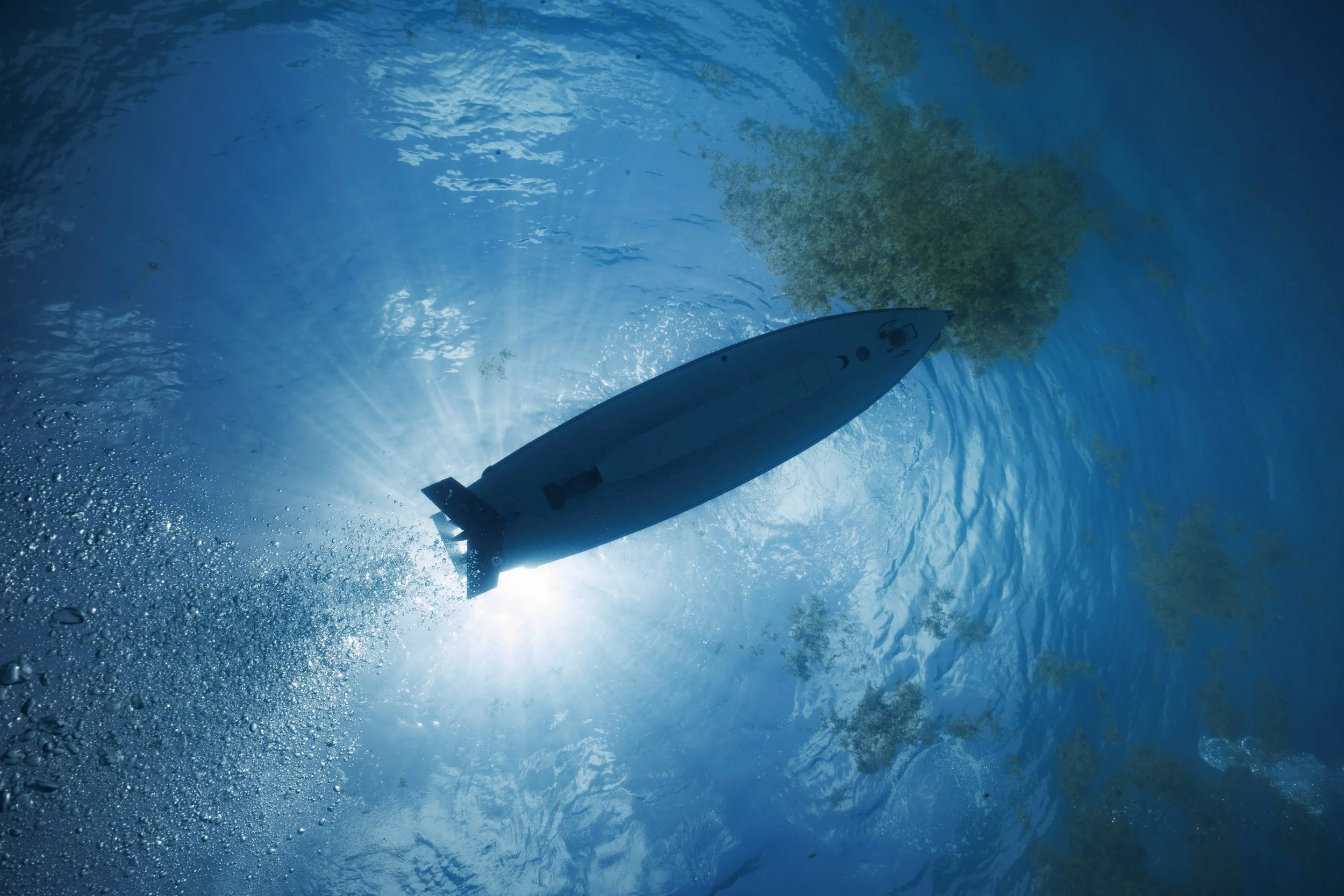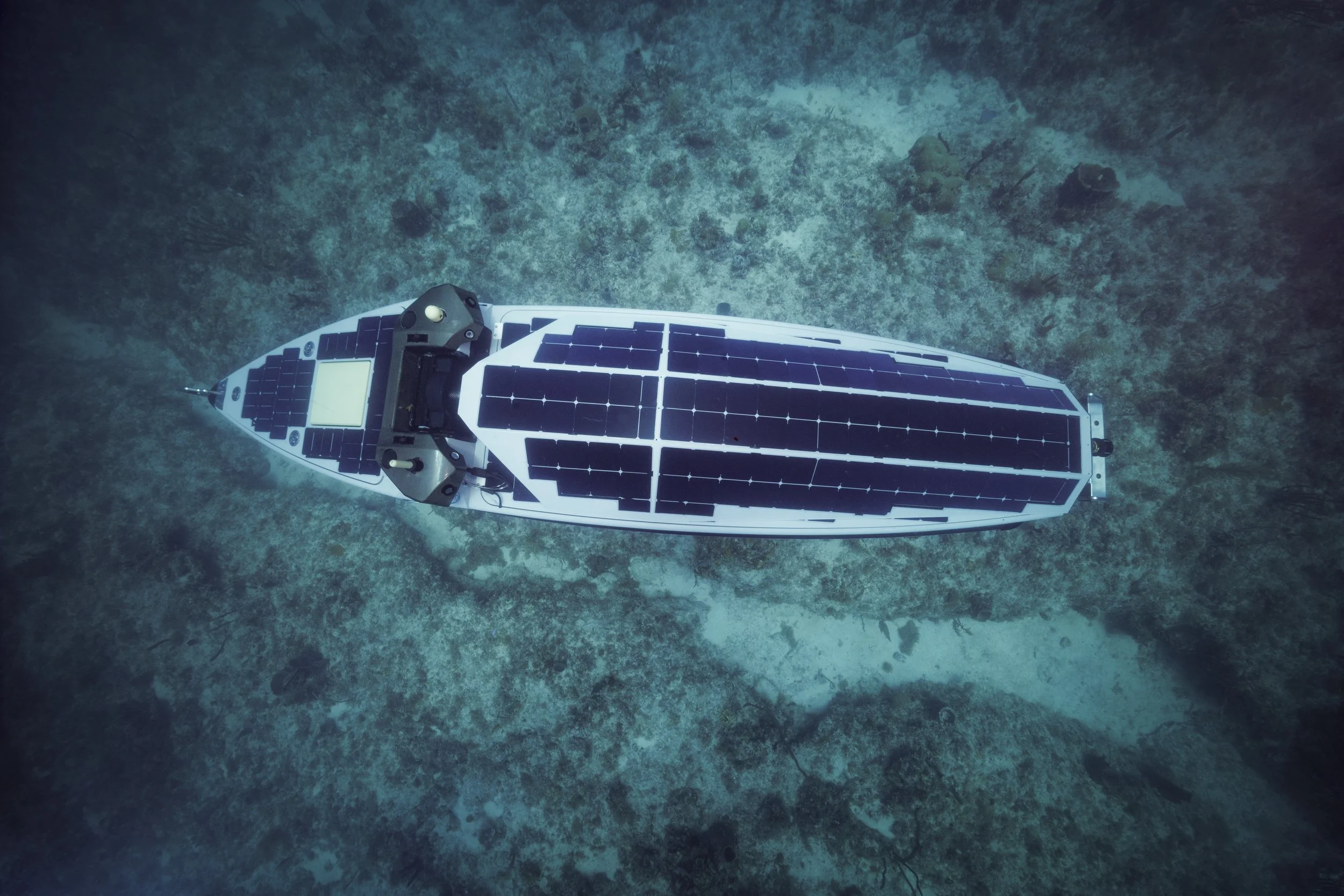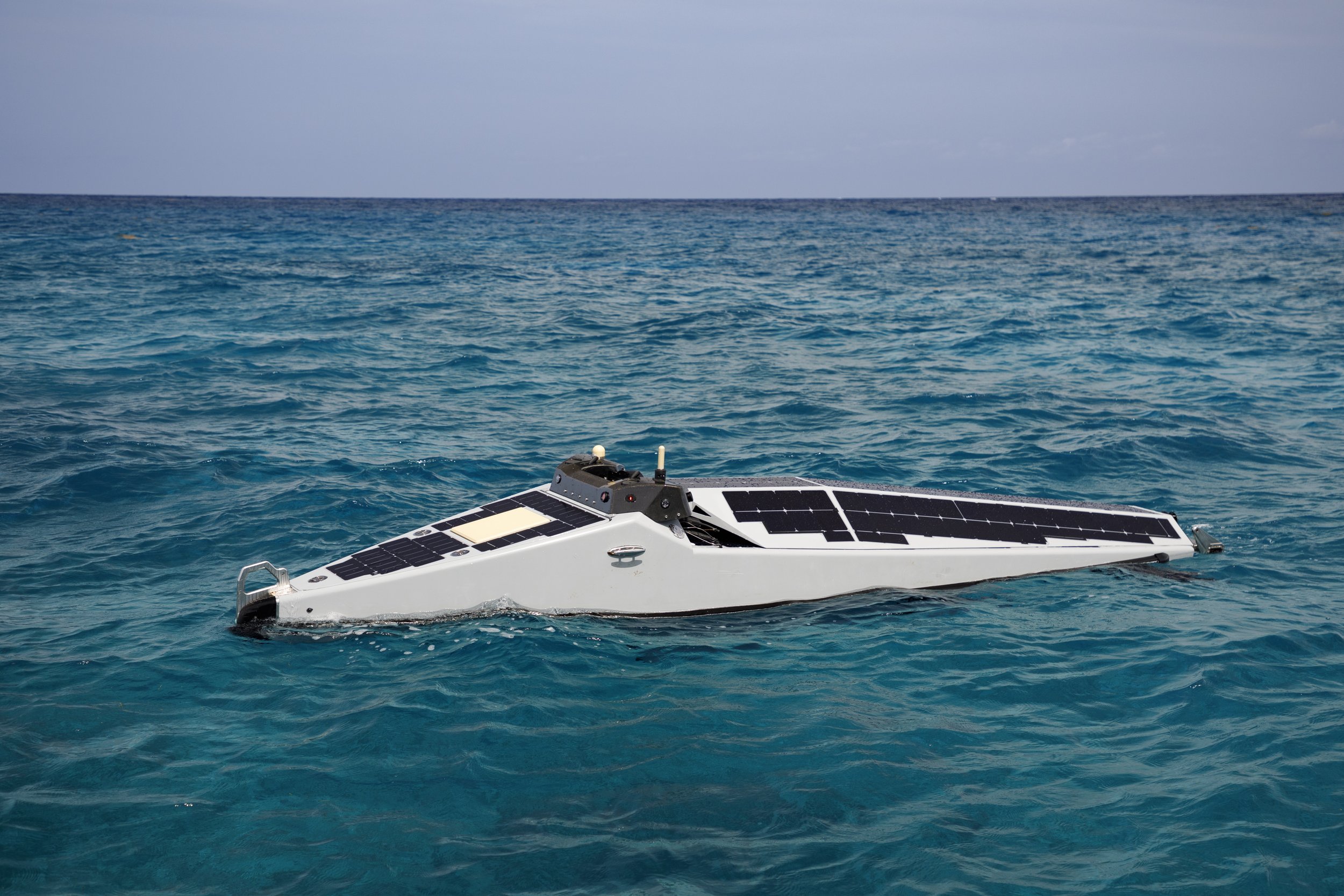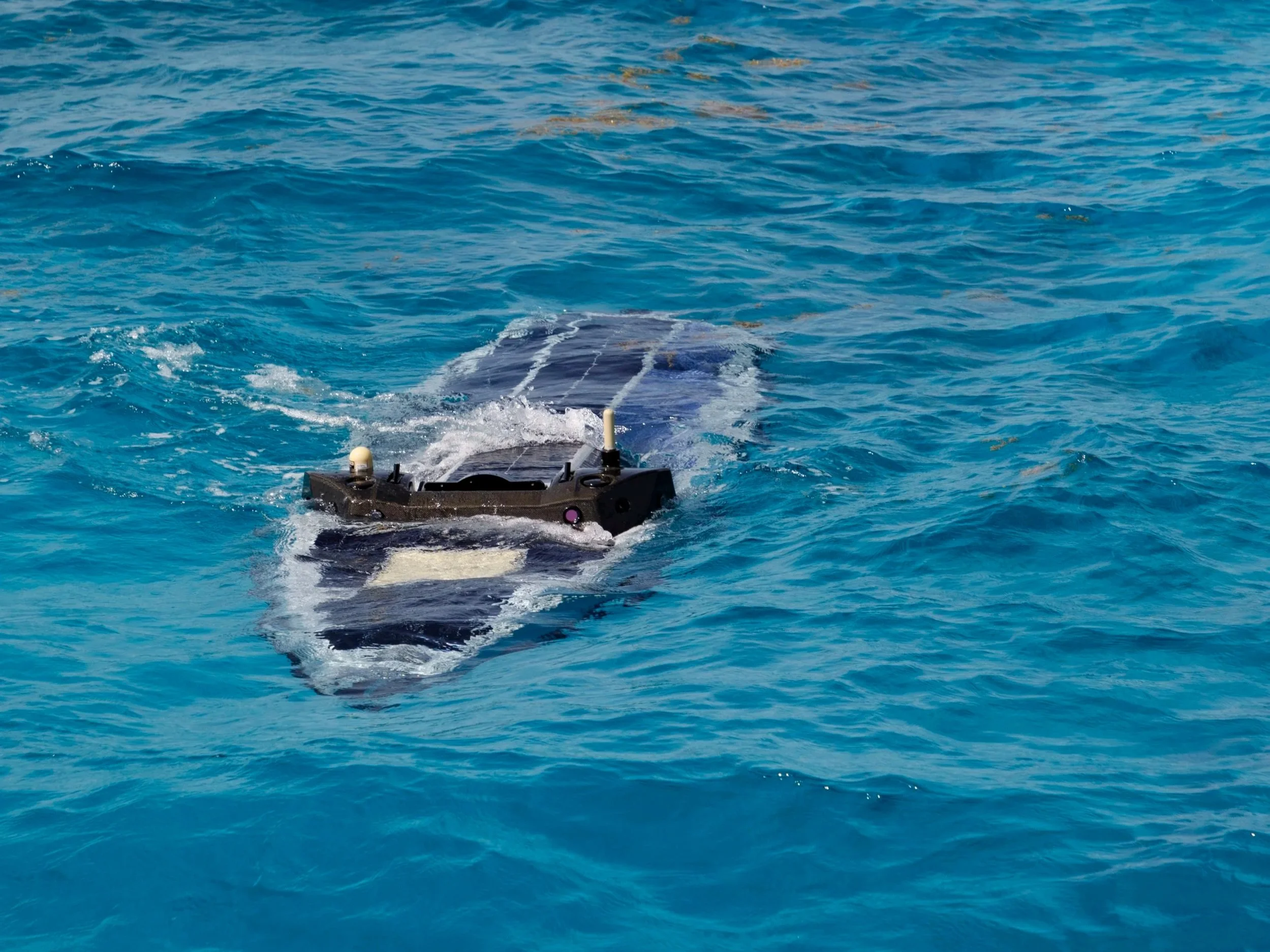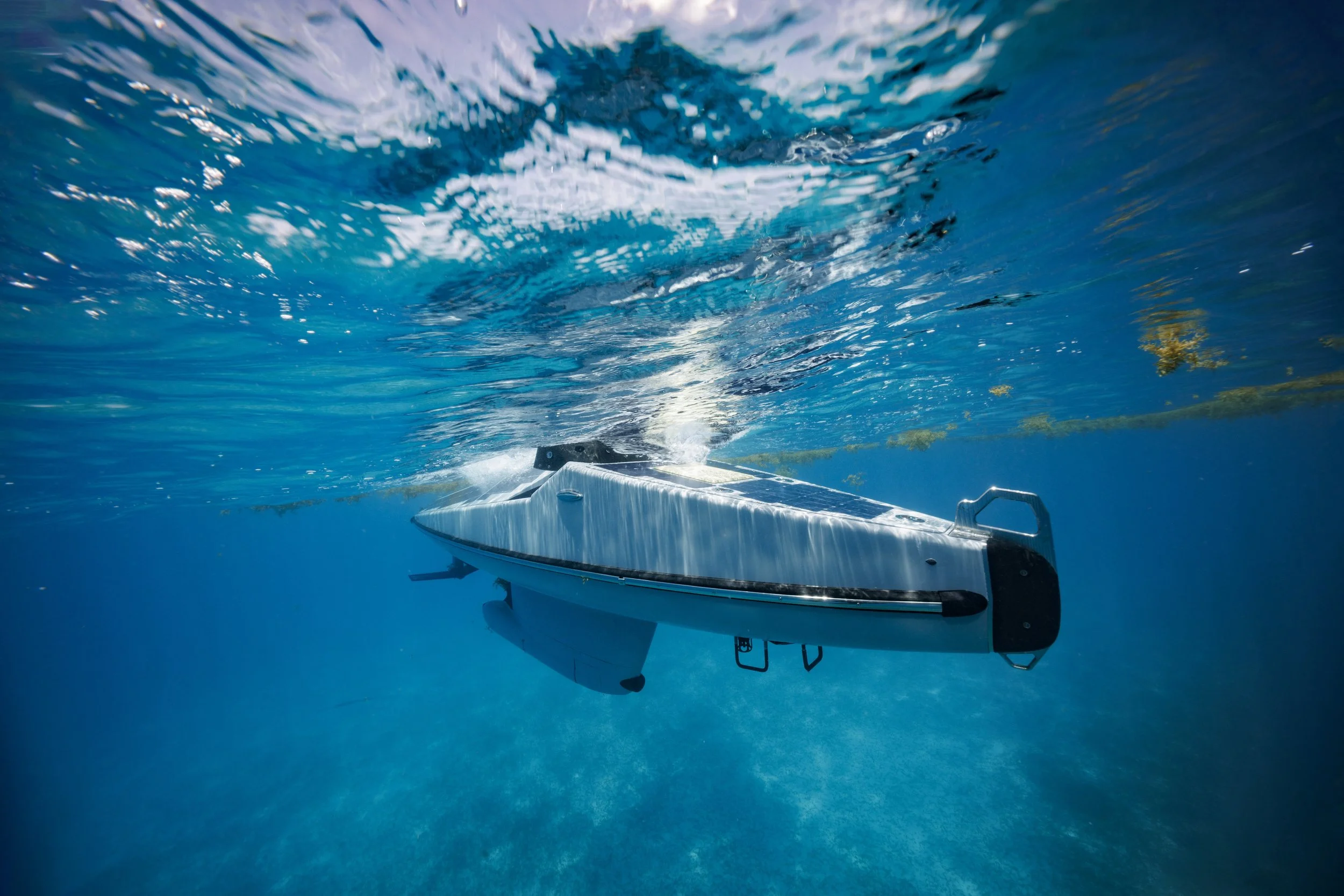
Designed for autonomous missions above and below the ocean’s surface.
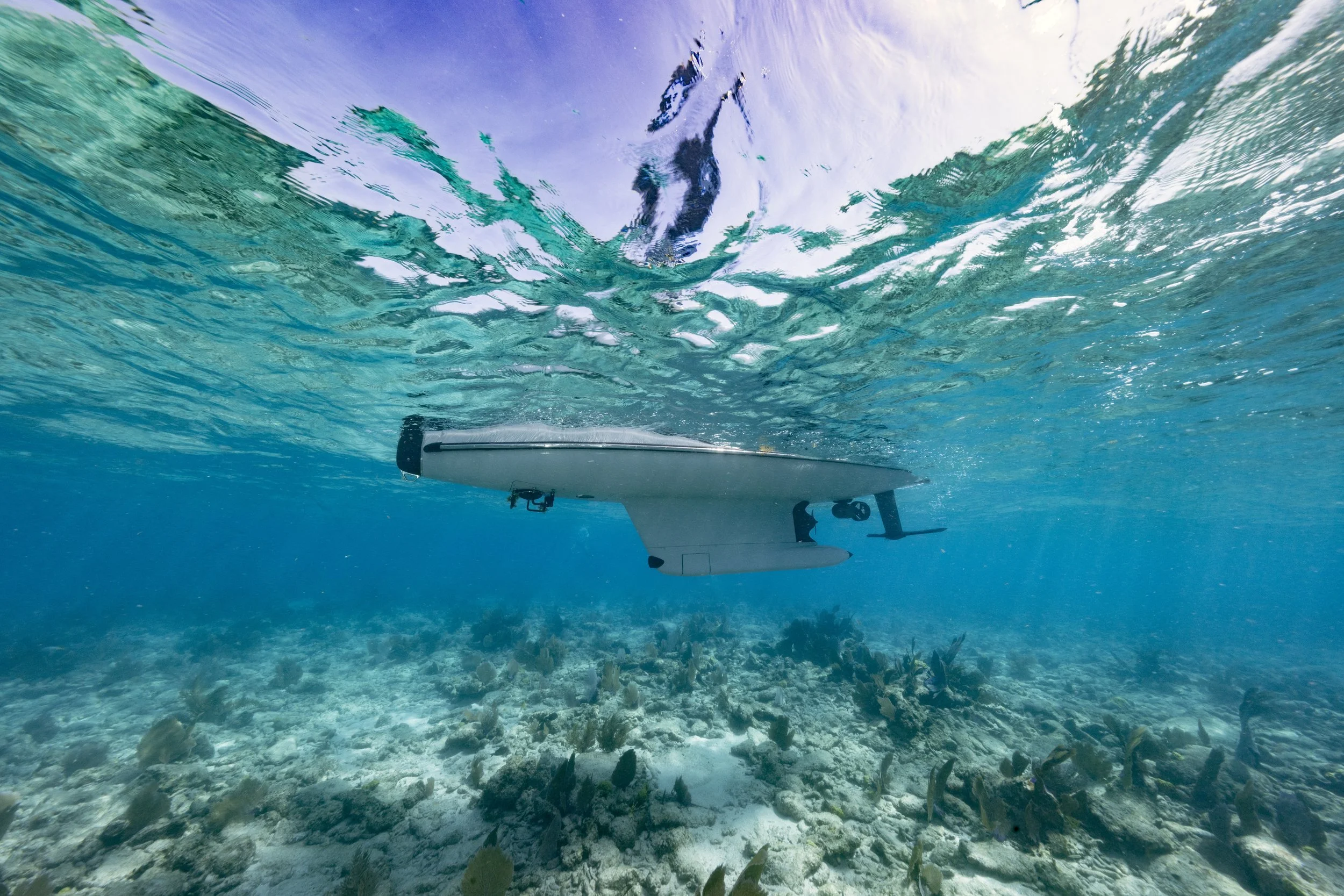
The Triton is the world’s first and only Autonomous Underwater and Surface Vehicle (AUSV). It can sail and submerge autonomously to collect data both above and below the ocean’s surface and relay it to you from anywhere, at anytime.
The Triton was built to be versatile and to handle a range of missions across a number of industries. Our pre-packaged payloads will cover 90% of the applications in the defense, research, and off-shore energy sectors, but the system is designed to support rapid NRE efforts for more specific use-cases. Optional state-of-the-art payloads include advanced modal communications for high bandwidth data transfer in remote areas as well as obstacle avoidance software/hardware to ensure autonomous reactions to unexpected mission complications.
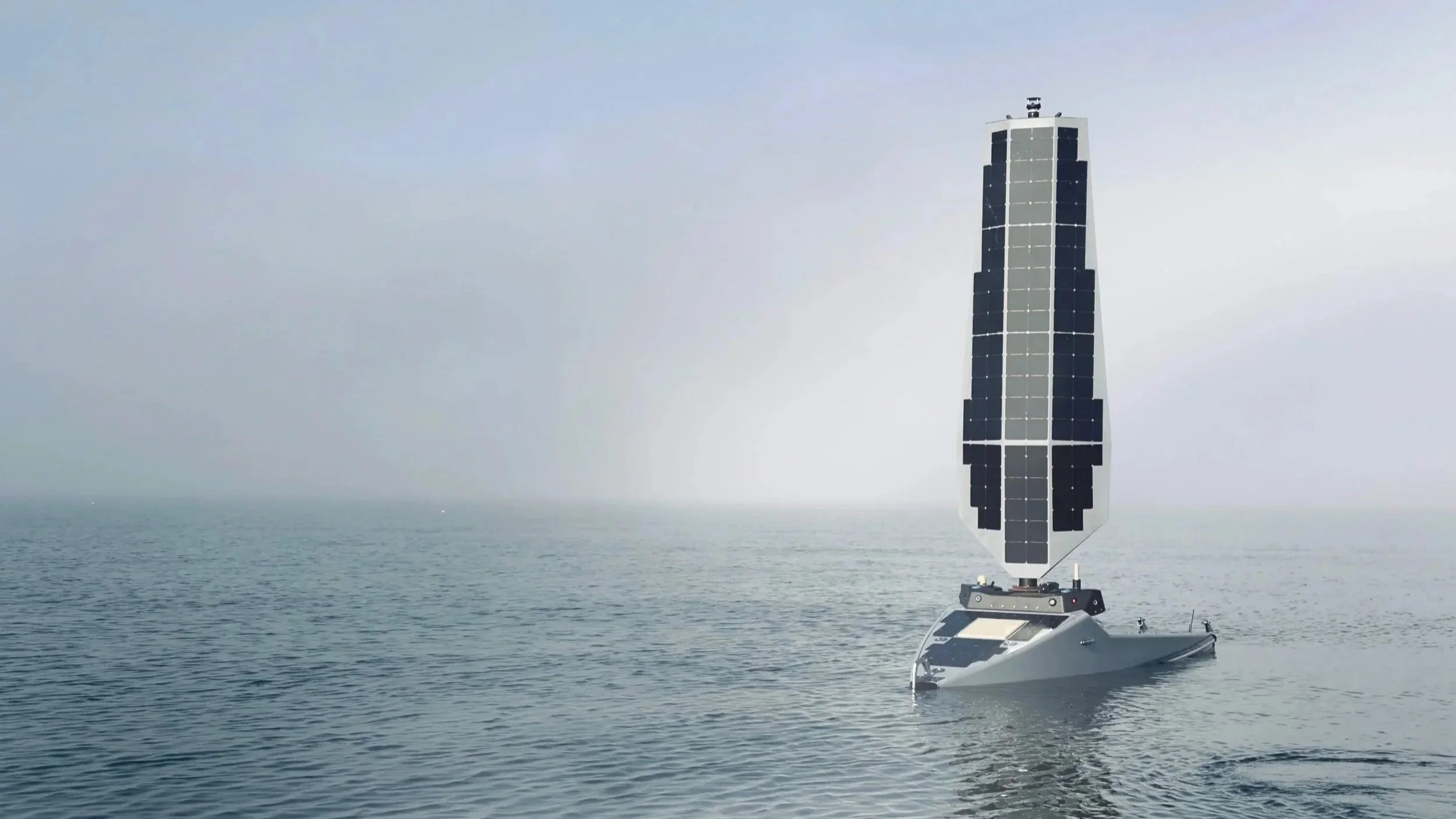
Triton
The world’s only autonomous underwater and surface vehicle.
Triton for Defense
-
The first of its kind, Triton AUSV combines surface and subsurface capability, offering the longevity of a USV with the utility of a UUV.
-
Triton’s proprietary GUI offers intuitive controls and the fleet-wide ability to manage multiple missions and vehicles at a time using a waypoint system for course and payload management. Equipped with obstacle avoidance and threat evasion technology, Triton follows commands and responds intelligently to the unknown.
Ares Autonomy Stack coming soon.
-
Launch and recovery is simple and streamlined from a ship at sea using Triton’s two pick-points, or from a ship or shore ramp with trailers that come with the vehicles. With just two people, you can launch or recover a Triton in minutes.
-
Onboard communications packages include LEO Comms, Iridium, Cellular, GPS, and some of the most advanced radio mesh networks in the world. Additional communication equipment can be outfitted to fit niche needs.
-
Triton offers clandestine infiltration ability, getting you into the weapon engagement zone quietly and under the radar. The radar cross-section disappears ¼ of a mile out, and Triton’s color scheme disrupts visual detection at just 100 meters. Autonomous deep dive submergence allows the Triton to avoid detection and evade threats.
-
Triton offers immense power, while remaining attritable.
14-foot form factor
35 kWh rechargeable batteries
110lbs thrust power
30+ days of station keeping
1,250w solar collection
-
Triton’s versatile system architecture means we can craft a massive number of payloads for specific applications, both sensing and kinetic.
Triton for Energy
-
Triton supports the full offshore asset lifecycle from environmental baseline surveys, site surveys, engineering surveys, to construction support, as-built verification, inspection, integrity monitoring, and decommissioning.
-
Triton mitigates negative impacts on marine environments.
-
Triton provides continuous surface and subsea capability in a single platform, eliminating many mobilization and recovery cycles required when separate USVs and AUVs are used.
-
Triton enables persistent offshore operations through renewable solar and wind energy harvesting, allowing long-duration missions that are impractical for battery-only autonomous systems.
Additionally, multiple Tritons operating cooperatively can provide continuous survey operations, with one vehicle acting as the surface positioning/reference platform, while another performs subsea inspection or mapping. Thus allowing uninterrupted mission execution during battery rotations.
-
Triton eliminates mobilization/demobilization costs within the continental United States and eliminates the need to charter a crewed vessel, saving overall mission costs and avoiding sending people on the water.
-
Triton provides persistent data harvesting from subsea sensor networks, including pressure gauges, environmental monitoring stations, structural health sensors, and geotechnical instrumentation, without requiring frequent vessel visits.
-
Triton provides a scalable distributed survey architecture, where additional Tritons increase survey coverage, redundancy, and operational resilience without requiring proportional increases in crewed support vessels.